Boston Dynamics has unveiled Atlas X, a next-generation humanoid robot capable of autonomously constructing a 1,200-square-foot house from foundation to roof in under 48 hours. The demonstration, performed at a company facility in Massachusetts, represents one of the most ambitious end-to-end automation achievements in robotics history and has reignited debates about the future of construction labor.
The Demonstration
Atlas X worked with a small fleet of specialized construction robots to complete a fully habitable structure. The system read architectural blueprints, cut lumber, assembled framing, installed windows, ran electrical conduit, attached exterior siding, and completed interior drywall preparation. A separate autonomous system handled concrete foundation pouring before Atlas began.
- Construction time: 47 hours and 12 minutes
- Human supervision: Two engineers monitored, no direct intervention
- Materials used: Standard lumber, drywall, and fixtures from a local supplier
- Tasks completed: Framing, electrical rough-in, window installation, exterior wrap
"Atlas X is not just strong or coordinated — it understands the construction process," said Robert Playter, CEO of Boston Dynamics. "This is the first time a humanoid robot has executed a complete, meaningful build cycle without human teleoperation."
Implications for Construction
The global construction industry faces chronic labor shortages and productivity stagnation. Robotic construction could dramatically reduce costs, improve safety, and accelerate housing production. Housing advocates are already calling for regulatory pathways that would allow robotic-built homes to help address affordability crises.
Questions and Limits
Critics note that the demo was conducted in ideal conditions with a simplified design. Real-world construction involves unpredictable weather, uneven terrain, supply delays, and local code variations. Unions have also raised concerns about displacement of skilled tradesworkers.
Boston Dynamics says Atlas X will not be commercially available until at least 2028, and the company emphasizes that the robot is designed to work alongside humans, not replace them. Still, the demonstration has made one thing clear: the era of robot-built structures is far closer than many believed.
Related Articles
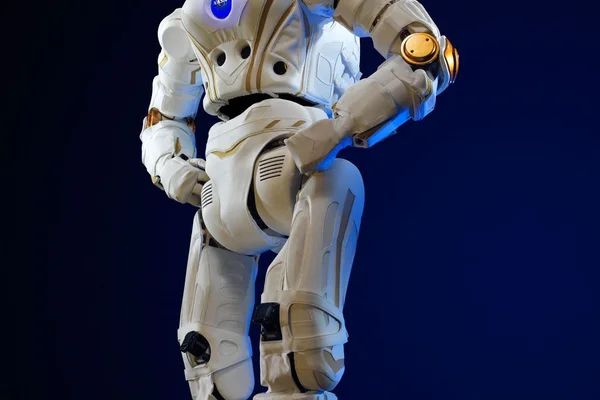
GMO unveils Japan's first robot ambulance to repair humanoid robots on site in Tokyo
GMO Air's new van brings engineers, spare parts and a replacement humanoid to broken robots in Tokyo, aiming to cut downtime for operators.
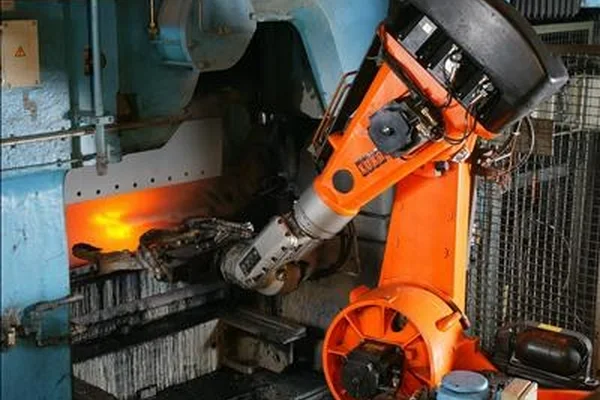
Maven Robotics exits stealth with $100M Series A for general purpose industrial robots
The Santa Clara startup says its wheeled robots already handle mixed palletizing for a Fortune 250 consumer goods customer and has raised $100 million to build 250 more units.

Swarmer to acquire Ukraine's Ratel Robotics for up to $224 million in cash and stock
Swarmer will pay about $7.2 million in cash and 1,064,942 shares at closing for the Ukrainian maker of battlefield ground robots, with the rest tied to earnouts through 2028.
Comments (0)
Log in or sign up to leave a comment.
No comments yet. Be the first to share your thoughts.