SpaceX launched 24 Starlink broadband satellites to low Earth orbit from Space Launch Complex 4 East at Vandenberg Space Force Base on the evening of August 18, marking the company's 100th mission of 2026 — the third consecutive year SpaceX has crossed the century mark. The Falcon 9 first stage, booster B1097, completed its 12th flight and landed on the droneship Of Course I Still Love You in the Pacific Ocean for the program's 651st Falcon booster recovery. The Starlink 17-50 mission brings the megaconstellation's in-orbit count past 11,000 active satellites.
The Numbers Behind the Century
The 100-milestone includes 97 Falcon 9 launches, plus two Starship suborbital test flights and one Falcon Heavy. About 75 percent of the Falcon 9 missions this year have been Starlink flights — a share that has steadily climbed since 2023 as SpaceX prioritizes filling out the constellation before Starship takes over the heavy-lift work. The August 18 launch was the 219th landing on Of Course I Still Love You, by far the most-used droneship in the SpaceX fleet, and the 651st Falcon booster landing overall. Booster B1097 has now flown the Twilight and Transporter-17 rideshare missions, Sentinel-6B, NROL-172, and seven prior Starlink batches before this Starlink 17-50 mission.
Why August Matters for SpaceX
The Starlink 17-50 launch sits in the middle of an unusually dense August cadence. SpaceX flew four Falcon 9 missions across the prior week: Starlink Group 10-19 from Cape Canaveral on August 11, Starlink Group 17-49 from Vandenberg on August 12, the classified USSF-366 national security launch from Vandenberg on August 15, and the Globalstar 2-R Mission 1 from Cape Canaveral on August 15 — the last two of which lifted off just 38 minutes apart on opposite coasts, a new SpaceX record for shortest time between orbital flights. The four-mission week brought the year-to-date Falcon 9 count to 96 before Starlink 17-50 pushed it past 100.
What's Next on the Manifest
SpaceX has two Starlink launches on the books for August 25: Group 10-49 from Cape Canaveral and Group 15-22 from Vandenberg. Arianespace is targeting August 27 for the launch of the MTG-I2 weather satellite aboard an Ariane 62 from the Guiana Space Centre. The biggest item on the near-term calendar is NASA's Nancy Grace Roman Space Telescope, which is currently targeted for no earlier than August 30 aboard a Falcon Heavy from Kennedy Space Center; once in operation, Roman will offer a field of view more than 100 times larger than Hubble's and is expected to pin down the nature of dark energy and open a new window on exoplanets.
The Bigger Cadence Question
Three consecutive years above 100 launches and a record 38-minute turnaround between orbital missions point to an operational regime that no other launch provider is anywhere close to matching. The cadence is now so reliable that SpaceX is starting to optimize for slots rather than counts — adding manifests in July and August as payloads become ready, rather than locking in flights quarters in advance. The remaining 2026 milestones to watch: Starship Flight 14, currently targeted for September 30, and the next generation of Starlink direct-to-cell payloads, which require Starship's lift capacity.
Related Articles
SpaceX Falcon 9 Lifts Globalstar Satellites on August 15, Bringing the 2026 Space Coast Launch Count to 52 With Roman Set for August 30
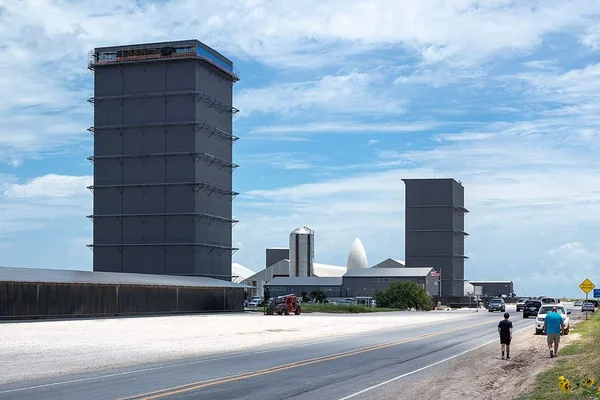
A SpaceX Falcon 9 lifted Globalstar satellites from Cape Canaveral on August 15, delivering sonic booms across central Florida and pushing the 2026 Space Coast launch count to 52. NASA confirmed two weeks later that the Nancy Grace Roman Space Telescope will launch from the same complex on August 30.
SpaceX Targets September 30 for Starship Flight 14, Logs Back-to-Back Falcon 9 Launches on August 15
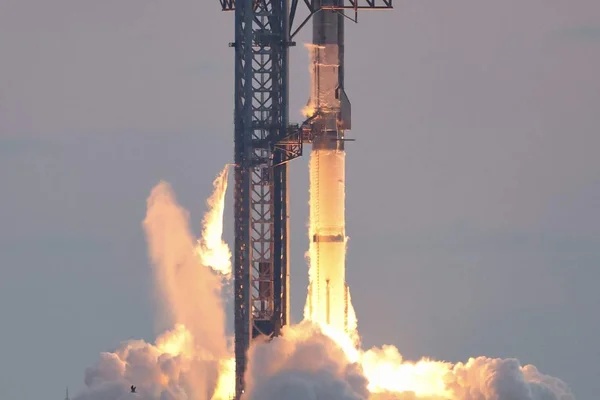
SpaceX confirmed Starship Flight 14, a V3 test mission from Starbase Pad 2, is targeting September 30, 2026, while the company logged back-to-back Falcon 9 launches on August 15 — extending a record cadence that puts the company on pace for 170 orbital launches this year.
SpaceX to Launch Classified USSF-366 Mission on Falcon 9 Booster's 18th Flight
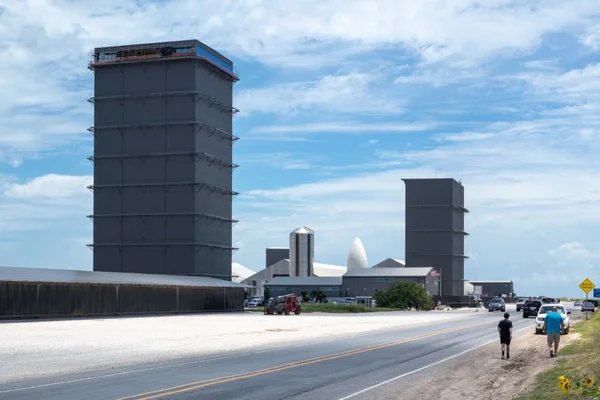
SpaceX is targeting an August 15 liftoff of the classified USSF-366 mission from Vandenberg, with a Falcon 9 first stage flying for the 18th time before attempting a droneship landing in the Pacific.
Comments (0)
Log in or sign up to leave a comment.
No comments yet. Be the first to share your thoughts.