AstraZeneca Shares Fall 8.9% as Merger Talks With US Cancer Drug Firm Bristol Emerge
A $400bn tie-up with Bristol Myers Squibb would create the world's fourth largest drugmaker, but analysts question the rationale for the deal, the Guardian reports.
AI diagnostics, brain-computer interfaces, gene editing, and the future of medicine.
62 articles
A $400bn tie-up with Bristol Myers Squibb would create the world's fourth largest drugmaker, but analysts question the rationale for the deal, the Guardian reports.

The PSMA-targeted radioligand therapy won approval in combination with an androgen receptor pathway inhibitor for metastatic prostate cancer, based on a 28% reduction in progression or death in the Phase 3 PSMAddition trial.
Two people have died in the cyclospora outbreak in Michigan in the first confirmed deaths in the U.S. related to the microscopic parasite, state health officials announced.
Guido Oelkers will take over as the new CEO of BioNTech, replacing company cofounder Ugur Sahin, STAT reports.
Sandoz agreed to pay $478.5 million to settle allegations that the company engaged in a conspiracy to artificially inflate and manipulate prices, STAT reports.
Medicaid work requirements are also in effect in Nebraska, AI scribes in med school are under review, and more health news from Morning Rounds, STAT reports.
Patients often get weaker waiting in the hospital for heart transplant. A cardiologist had an idea: inpatient prehabilitation. Here's how it works and what it could mean.
The approval covers both acute myeloid leukemia and acute lymphoblastic leukemia with the KMT2A translocation. The drug is the first menin inhibitor approved for a population that has historically had a 5-year survival rate below 25%.
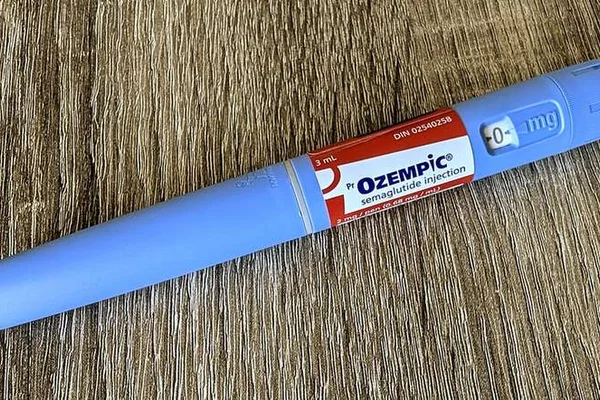
Pills that match injectables for weight loss and cardiovascular outcomes are within reach. The hard part is manufacturing, reimbursement, and patient selection.
The first randomized, placebo-controlled trials of Paxlovid and metformin for long-COVID prevention found risk reductions of roughly 40% and half, respectively — sparking debate among specialists.
The CTGTAC committee backed the phase 1/2 IGNYTE trial results of RP1 plus nivolumab in anti-PD-1-refractory patients ahead of an August 2 decision date — and the company's stock more than doubled.
The clearance allows the system to sign out routine cases without human review. Pathologists will focus on complex and unusual cases.
Phase 2 data from two independent trials suggest GLP-1 agonists significantly reduce depression scores in patients who failed standard therapy. The mechanism is unclear but consistent.
A landmark cumulative total for the gene-editing therapy. Long-term follow-up confirms durable cures with no off-target events of clinical significance.
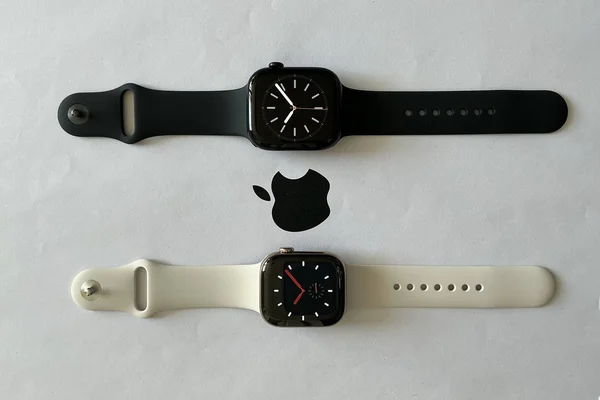
Apple has cleared FDA regulatory hurdles to ship a glucose-reading feature in the next Watch OS update. Initial support covers pre-diabetes coaching and trend tracking.
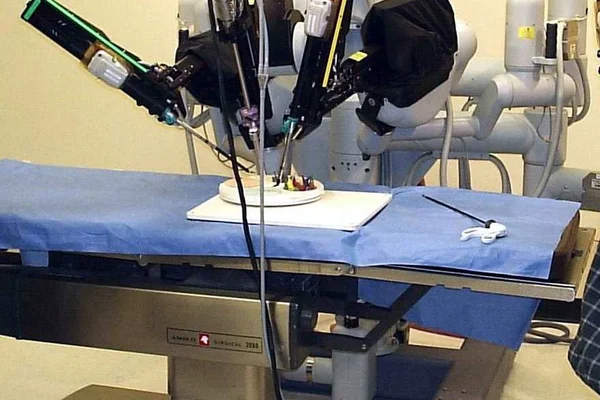
A next-generation robotic system completed a fully autonomous porcine kidney transplant with no human intervention. Human trials are slated for 2027.
The full economic, clinical, and societal story of the GLP-1 era, and the next wave of obesity-and-metabolism drugs now in late-stage trials.
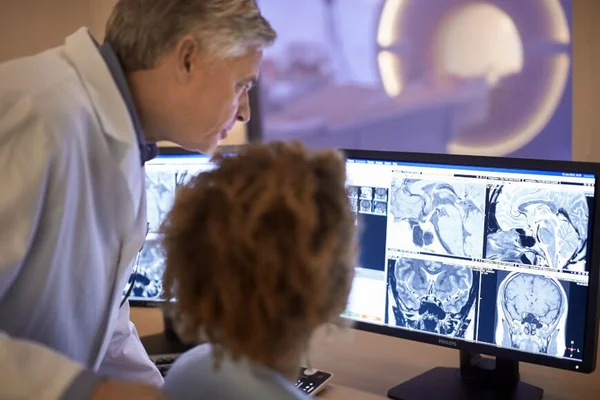
A landmark study finds that AI systems detect more cancers with fewer false positives than specialist radiologists across nearly every major cancer type.
The FDA has cleared a wrist-worn wearable that uses AI to flag cardiac events up to 20 minutes before symptom onset, the first device authorized for preemptive myocardial-infarction alerting.
Neuralink has begun selling a non-invasive neural interface for consumers. The device promises hands-free control of computers and phones, but privacy concerns loom.