The European Union's AI Act reached its most consequential enforcement milestone on August 2, 2026, when the European Commission's AI Office and member-state authorities gained full penalty powers over general-purpose AI providers and Article 50 transparency obligations became binding for most AI systems deployed in the EU, the Commission's digital strategy site and beam.ai confirm. Anthropic and OpenAI, as the two largest GPAI providers headquartered outside the EU, are squarely in the regulator's crosshairs.
What Activated on August 2
Three things changed on August 2. First, the Commission gained penalty enforcement powers over GPAI providers, with fines up to 3 percent of global turnover or €15 million for the most serious violations. Second, Article 50's transparency obligations activated, requiring AI-generated content to be clearly labeled and chatbot users to be informed they are talking to an AI. Third, national market-surveillance authorities in every EU member state can now fully investigate and sanction AI Act breaches. High-risk Annex III systems — a separate category that triggered much of the pre-August worry — were pushed to 2027-2028 under the May 7 Digital Omnibus on AI amendment.
Why Anthropic and OpenAI Are Most Exposed
The GPAI Code of Practice split the model market into providers who signed and providers who did not, and that split is now a procurement signal. Anthropic and OpenAI are both names widely cited by European enterprises as critical infrastructure, but both have reportedly declined to sign the full Code, exposing them to maximum scrutiny. "The August 2 deadline is the moment GPAI becomes a regulated industry, not a self-regulated one," said Lucilla Sioli, director of the Commission's AI Office. Anthropic separately faces use-of-system-data compliance questions around its Claude training, while OpenAI's new GPT-5.6 Sol with 750-token/second Ultrafast mode is being examined for compute-disclosure compliance.
California and the U.S. Backing Layer
Across the Atlantic, the policy pressure is multiplicative. Senator Jim Banks' August 14 letter urged the White House to limit Chinese open-weight AI proliferation, while California's SB 53 — the first U.S. frontier-model safety law — has been in force since January 1, 2026. Two California AI bills — focused on chatbot safety for children and AI copyright transparency — face their final Senate and Assembly votes on August 13. Together, the EU AI Act, California's SB 53, and emerging federal action mark the first year in which frontier-model developers must operate under binding safety law in three major jurisdictions simultaneously.
Related Articles
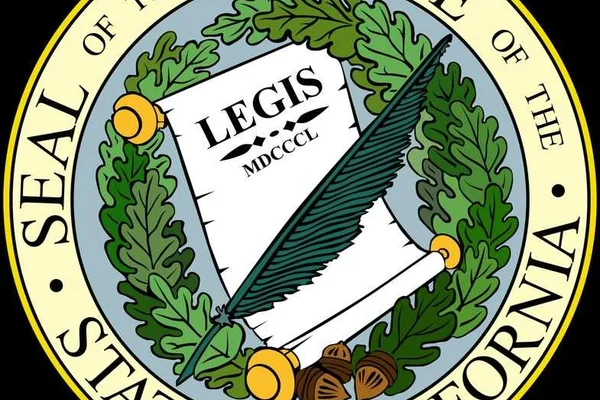
California's AI Bills Head for Final Suspense Votes as Federal Preemption Fight Stalls in the House and China Issues Its First Fines
Roughly 30 California AI bills — covering chatbot safety for children, AI copyright transparency, and worker protections — face simultaneous Senate and Assembly suspense votes this month, on top of the already-in-force SB 53 frontier-model transparency law. Meanwhile the federal preemption fight has stalled in the House, and the Cyberspace Administration of China has issued its first fines under generative AI service rules.

EU AI Act's August 2 Deadline Bites as Beijing-Hangzhou Rolls Out China's First City-Level Generative AI Service Rules Effective September 1
The EU AI Act's August 2 enforcement milestone is now active with penalty powers over GPAI providers and Article 50 transparency obligations. Halfway around the world, Beijing-Hangzhou released China's first city-level generative AI service rules effective September 1, with fines up to 5 million yuan for violations of content safety or IP rules.
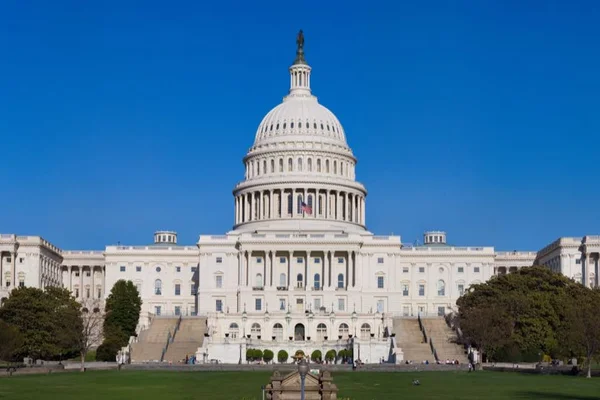
Senator Jim Banks Urges Trump to Incentivize US Open-Weight AI and Curb China's Chip Access
Republican Senator Jim Banks on August 14 urged the Trump administration to create incentives for American open-weight AI development and restrict Chinese firms' access to US chips, warning Chinese open models could be 'weaponized, like rare earths.'
Comments (0)
Log in or sign up to leave a comment.
No comments yet. Be the first to share your thoughts.